Published on September 22, 2025
Beyond Margherita: Exploring Regional Italian Pizza Styles at Salvatore
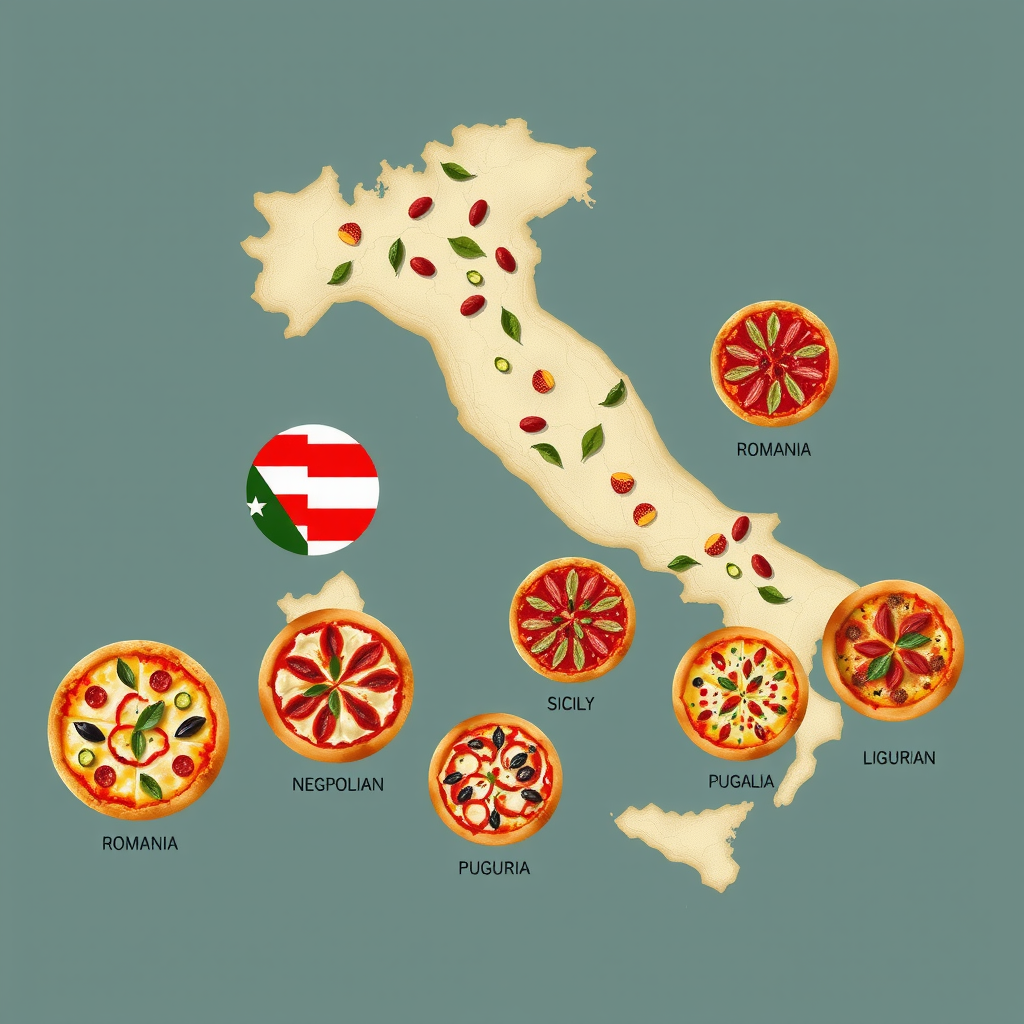
Discover the rich diversity of Italian pizza traditions, from the crispy Roman style to the thick Sicilian squares, each telling a unique story of regional culinary heritage.
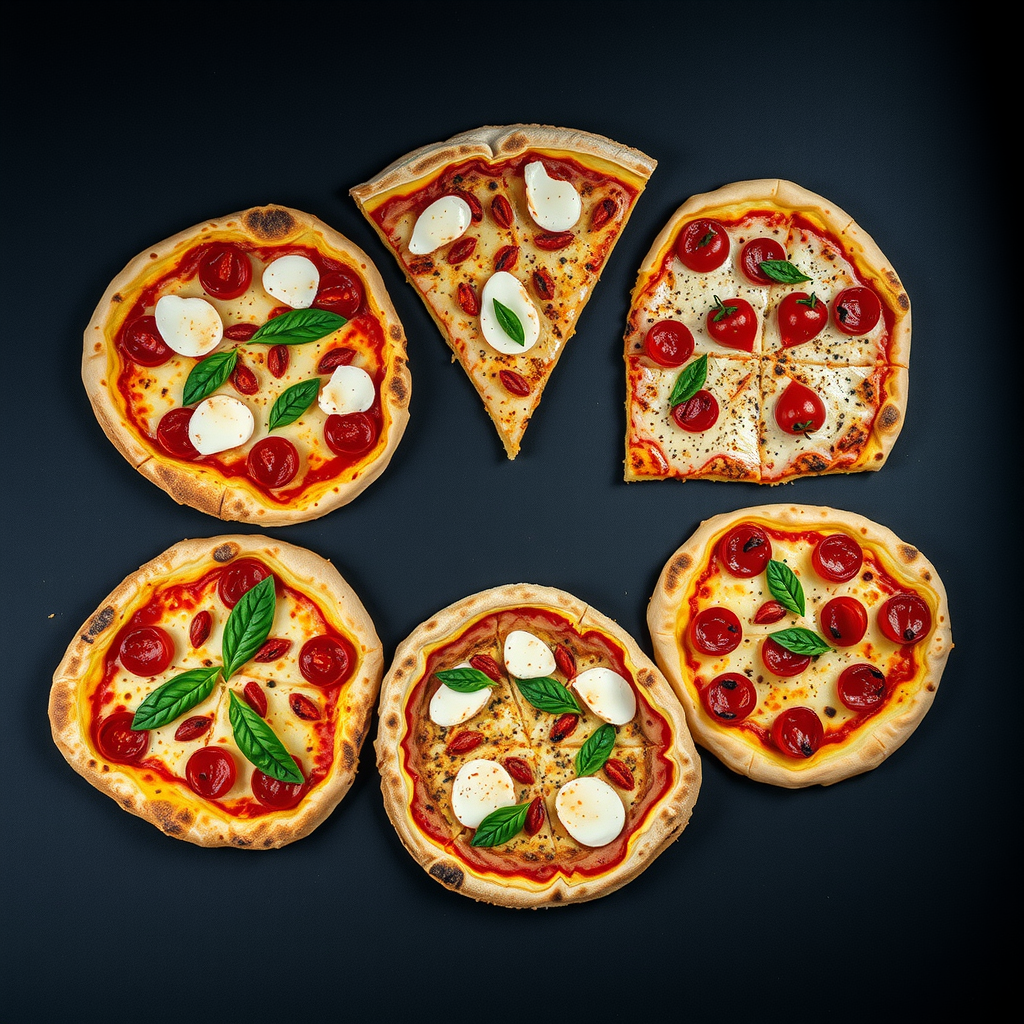
When most people think of Italian pizza, the classic Neapolitan Margherita immediately comes to mind. While this iconic creation certainly deserves its legendary status, Italy's pizza landscape is far more diverse and fascinating than many realize. Each region of Italy has developed its own distinctive pizza style, shaped by local ingredients, historical influences, and culinary traditions that span centuries.
At Salvatore, we're passionate about celebrating this incredible diversity. Our menu showcases five distinct regional pizza styles, each crafted with authentic techniques and the finest ingredients. Whether you prefer a paper-thin, crispy crust or a thick, fluffy base, there's a regional Italian pizza style that will speak to your palate. Let's embark on a culinary journey through Italy's pizza regions and discover what makes each style unique.
Understanding these regional variations not only enhances your appreciation for pizza as an art form but also helps you make more informed choices when ordering from Salvatore. Each style offers a different eating experience, from the way the crust feels in your hand to how the toppings interact with the base. This knowledge transforms pizza from simple fast food into a sophisticated culinary experience rooted in centuries of Italian tradition.
Roman Style: Pizza al Taglio
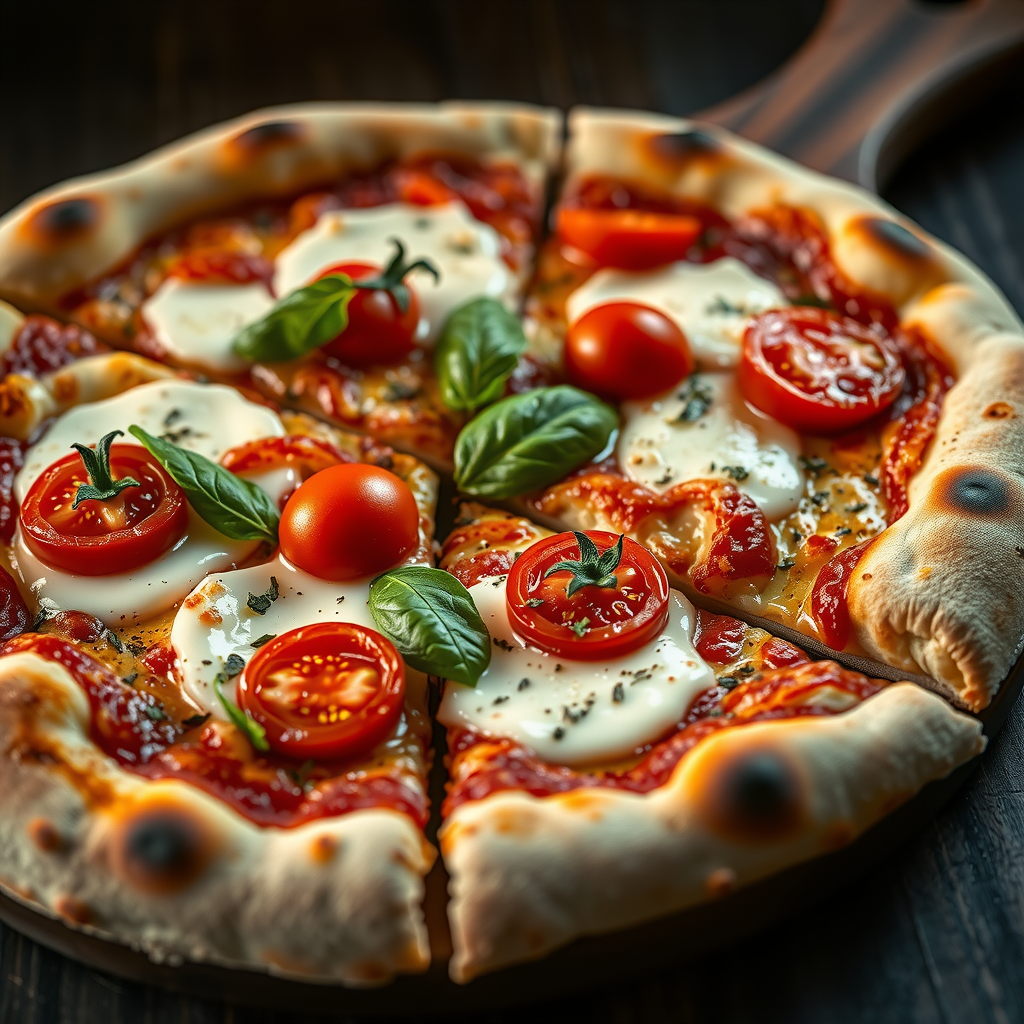
Roman pizza, known as "pizza al taglio" (pizza by the cut), represents a completely different philosophy from its Neapolitan cousin. This style emerged in Rome's bustling streets, where quick service and portability were essential. The result is a pizza that's baked in large rectangular pans and sold by weight, cut with scissors to your desired portion.
The defining characteristic of Roman pizza is its incredibly thin, crispy crust that shatters like a cracker when you bite into it. This texture is achieved through a high-hydration dough that undergoes a long fermentation process, sometimes up to 72 hours. The extended fermentation not only creates the signature texture but also develops complex flavors and makes the pizza easier to digest.
At Salvatore, our Roman-style pizzas are baked at a slightly lower temperature than Neapolitan pizzas, allowing the crust to dry out and become uniformly crispy throughout. The toppings are typically applied more generously than on Neapolitan pizza, as the sturdy crust can support more weight without becoming soggy. Popular Roman-style combinations on our menu include the classic "Bianca" with rosemary and olive oil, and the "Patate" featuring thinly sliced potatoes, mozzarella, and rosemary.
The beauty of Roman pizza lies in its versatility. The crispy texture makes it perfect for eating on the go, while the rectangular shape allows for creative topping arrangements. Romans often enjoy their pizza al taglio as a quick lunch or afternoon snack, paired with a cold beer or a glass of white wine. The style has gained international recognition for its unique texture and the way it showcases high-quality toppings without overwhelming them with dough.
When ordering Roman-style pizza from Salvatore delivery, you'll notice it travels exceptionally well. The low moisture content and crispy texture mean it doesn't become soggy during transport, arriving at your door with the same satisfying crunch as when it left our kitchen. This makes it an excellent choice for office lunches or casual gatherings where you want pizza that maintains its quality.
Sicilian Style: Sfincione and Beyond
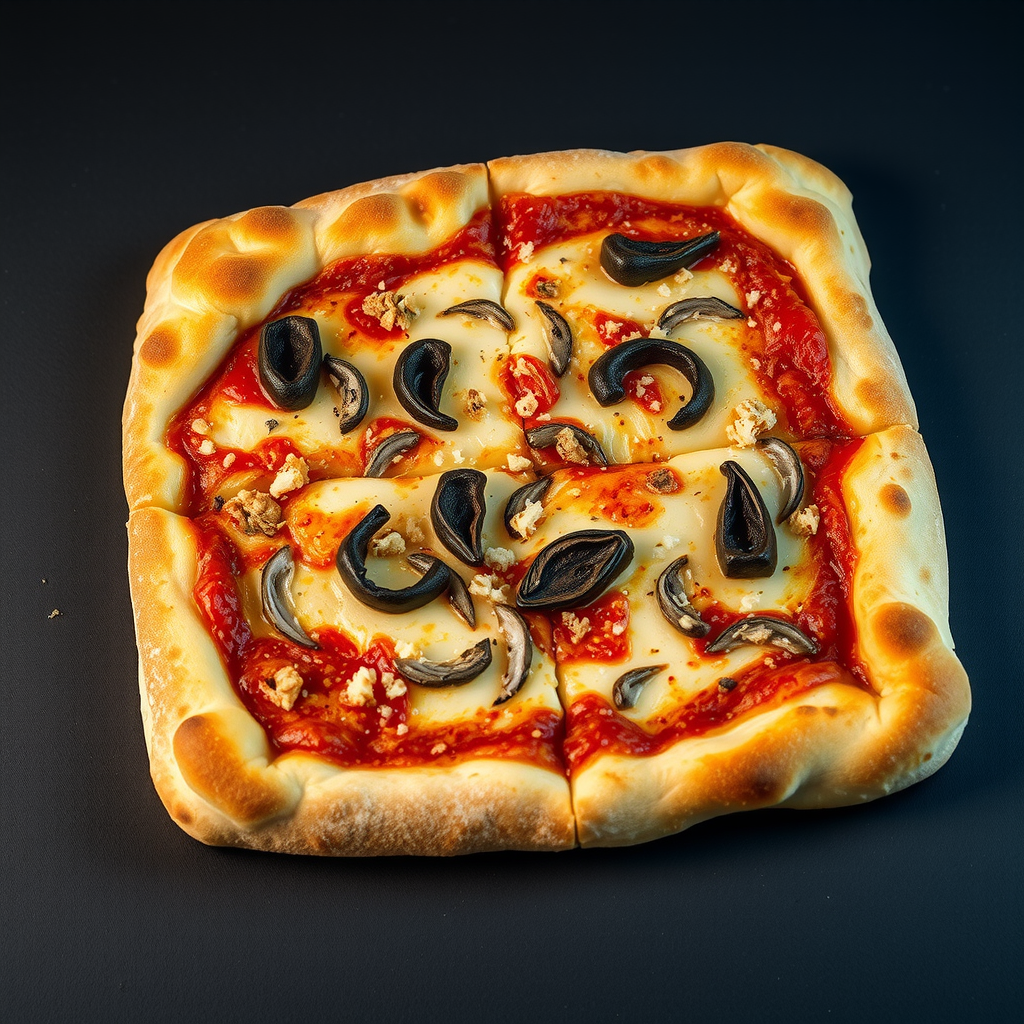
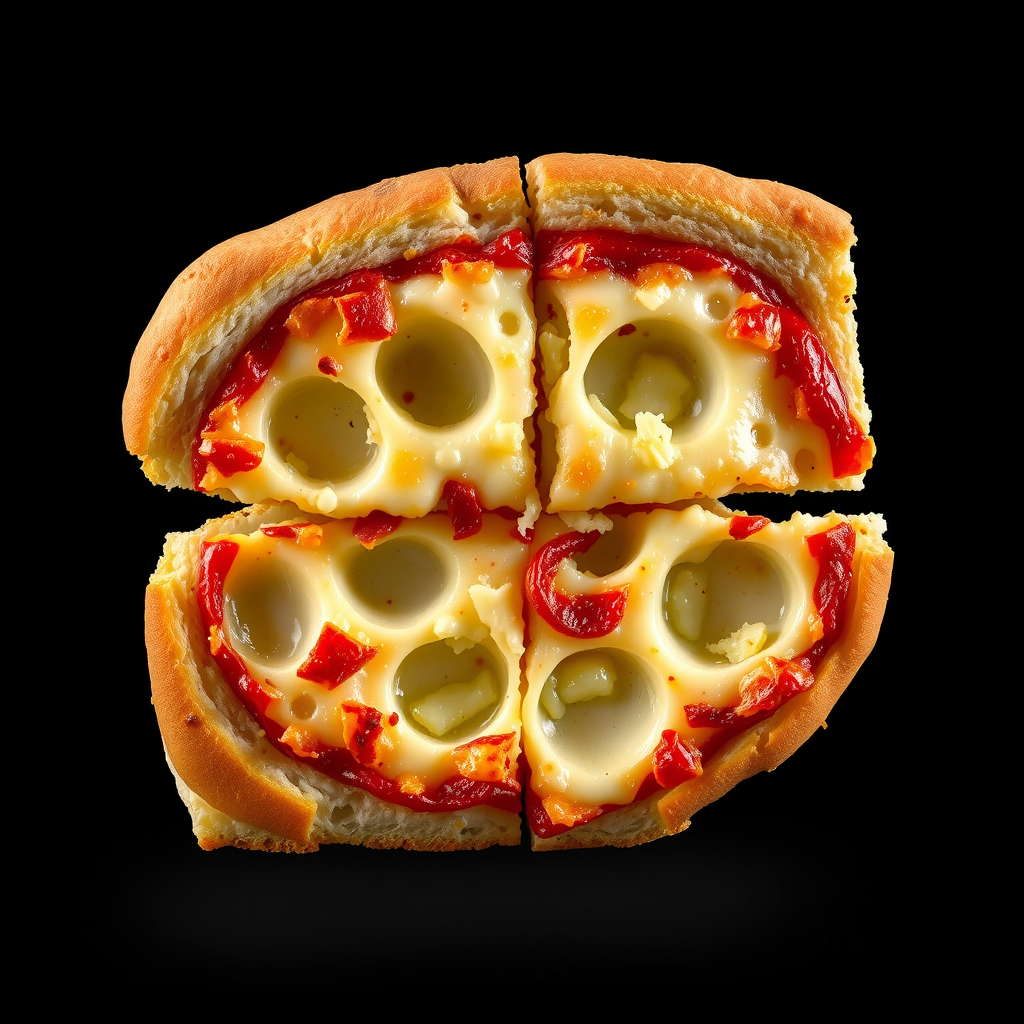
Sicilian pizza, or "sfincione" in its traditional form, takes us to the opposite end of the thickness spectrum. This style features a thick, fluffy crust that's more akin to focaccia than traditional pizza. The dough is pressed into a well-oiled rectangular pan, creating a pizza that's typically two to three inches thick with a golden, crispy bottom and a soft, airy interior.
The traditional Sicilian sfincione has a unique topping combination that sets it apart from other pizza styles. Instead of mozzarella, it's typically topped with a thick tomato sauce, onions, anchovies, and a generous sprinkling of breadcrumbs. The breadcrumbs, often mixed with grated cheese, create a distinctive texture and help absorb excess moisture from the toppings. At Salvatore, we honor this tradition while also offering modern interpretations with various cheese and topping combinations.
What makes Sicilian pizza particularly special is its texture contrast. The bottom develops a deep golden crust from the oil in the pan, providing a satisfying crunch, while the interior remains light and fluffy with an open crumb structure full of air pockets. This is achieved through a high-hydration dough and a long proofing time, allowing the yeast to create those characteristic air bubbles.
Sicilian pizza is perfect for those who love a hearty, filling meal. Each square is substantial and satisfying, making it ideal for sharing at gatherings or enjoying as a complete meal. The thick crust also makes it excellent for creative topping combinations, as it can support heavier ingredients without becoming overwhelmed. When you order Salvatore's Sicilian-style pizza, you're getting a piece of Sicily's rich culinary heritage delivered right to your door.
Neapolitan Style: The Original Classic
No exploration of Italian pizza would be complete without paying homage to the Neapolitan style, the mother of all pizzas. This is the style that started it all in the streets of Naples in the 18th century, and it remains the gold standard by which all other pizzas are measured. Neapolitan pizza is so culturally significant that it's been granted Traditional Specialty Guaranteed status by the European Union and recognized by UNESCO as an Intangible Cultural Heritage.
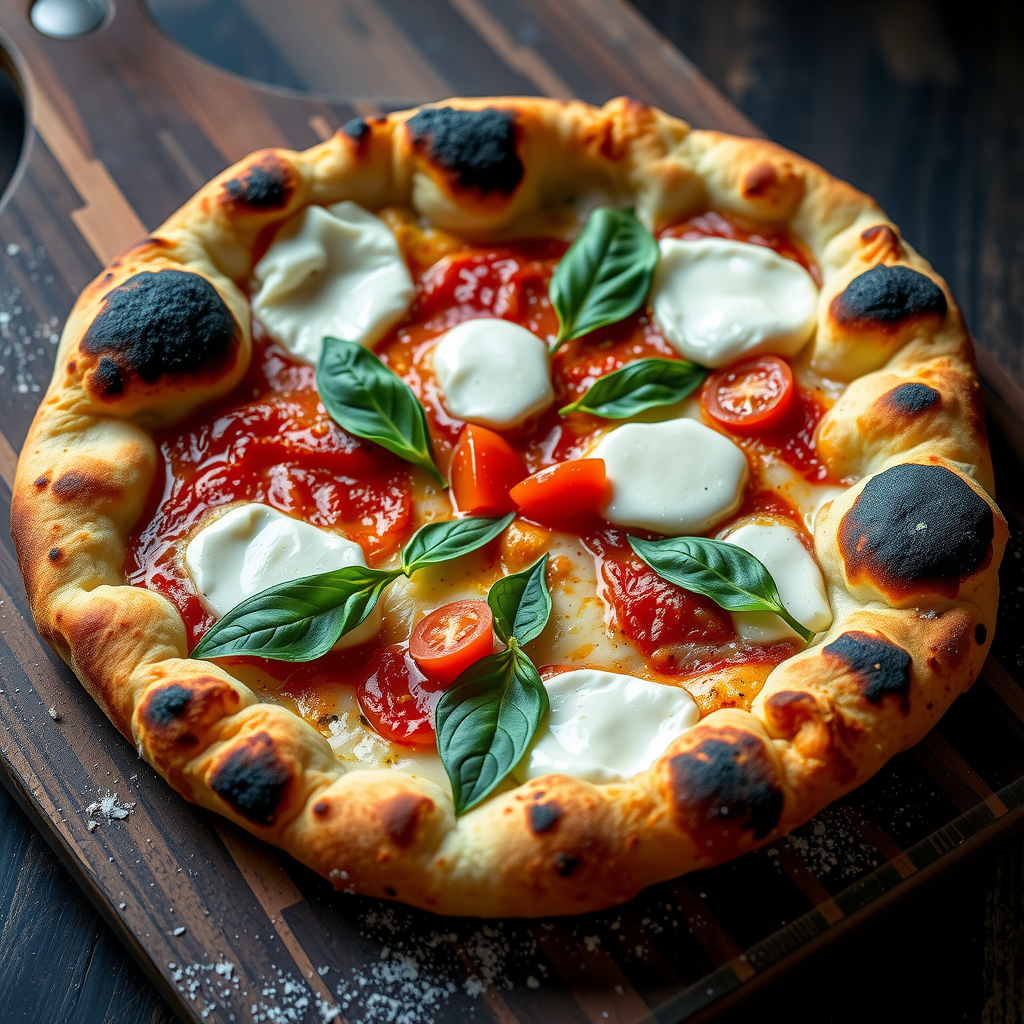
The defining features of Neapolitan pizza are its soft, elastic dough with a puffy, charred edge called the "cornicione," and its simple, high-quality toppings. The dough is made with just four ingredients: flour, water, salt, and yeast. It's hand-stretched (never rolled) to maintain air bubbles and baked in a wood-fired oven at extremely high temperatures, around 900°F, for just 60 to 90 seconds.
At Salvatore, our Neapolitan pizzas follow strict traditional guidelines. We use San Marzano tomatoes grown in the volcanic soil near Mount Vesuvius, fresh mozzarella di bufala or fior di latte, extra virgin olive oil, and fresh basil. The result is a pizza with a soft, slightly chewy center and a distinctive leopard-spotted crust from the intense heat of our wood-fired oven. The high temperature creates those characteristic char marks while keeping the interior tender and moist.
The beauty of Neapolitan pizza lies in its simplicity and the quality of its ingredients. With so few components, each one must be perfect. The tomatoes provide a sweet-tart base, the mozzarella adds creamy richness, the olive oil brings fruity notes, and the basil contributes aromatic freshness. The crust, with its airy texture and subtle char, serves as the perfect vehicle for these flavors without overwhelming them.
One of the most distinctive aspects of Neapolitan pizza is how it's meant to be eaten. The soft, foldable crust is traditionally eaten with a knife and fork, starting from the center and working outward, saving the puffy cornicione for last. This eating method allows you to appreciate the different textures and temperatures throughout the pizza, from the hot, saucy center to the airy, slightly cooler edge.
When you order a Neapolitan pizza from Salvatore pizzeria, you're experiencing a piece of living history. Every bite connects you to centuries of Neapolitan tradition and the passionate pizzaiolos who have perfected this craft over generations. It's pizza in its purest, most authentic form, and it remains our most popular style for good reason.
Pugliese Style: Rustic Elegance
From the sun-drenched region of Puglia in southern Italy comes a pizza style that beautifully bridges the gap between focaccia and traditional pizza. Pugliese pizza, also known as "pizza Pugliese" or sometimes "focaccia barese," reflects the agricultural abundance of this region, known as Italy's breadbasket and olive oil capital.
The crust is thicker than Roman but not as thick as Sicilian, with a texture that's simultaneously crispy on the outside and soft on the inside. What truly distinguishes Pugliese pizza is the generous use of local extra virgin olive oil, which is worked into the dough and brushed on top, creating a rich, golden crust with incredible flavor.
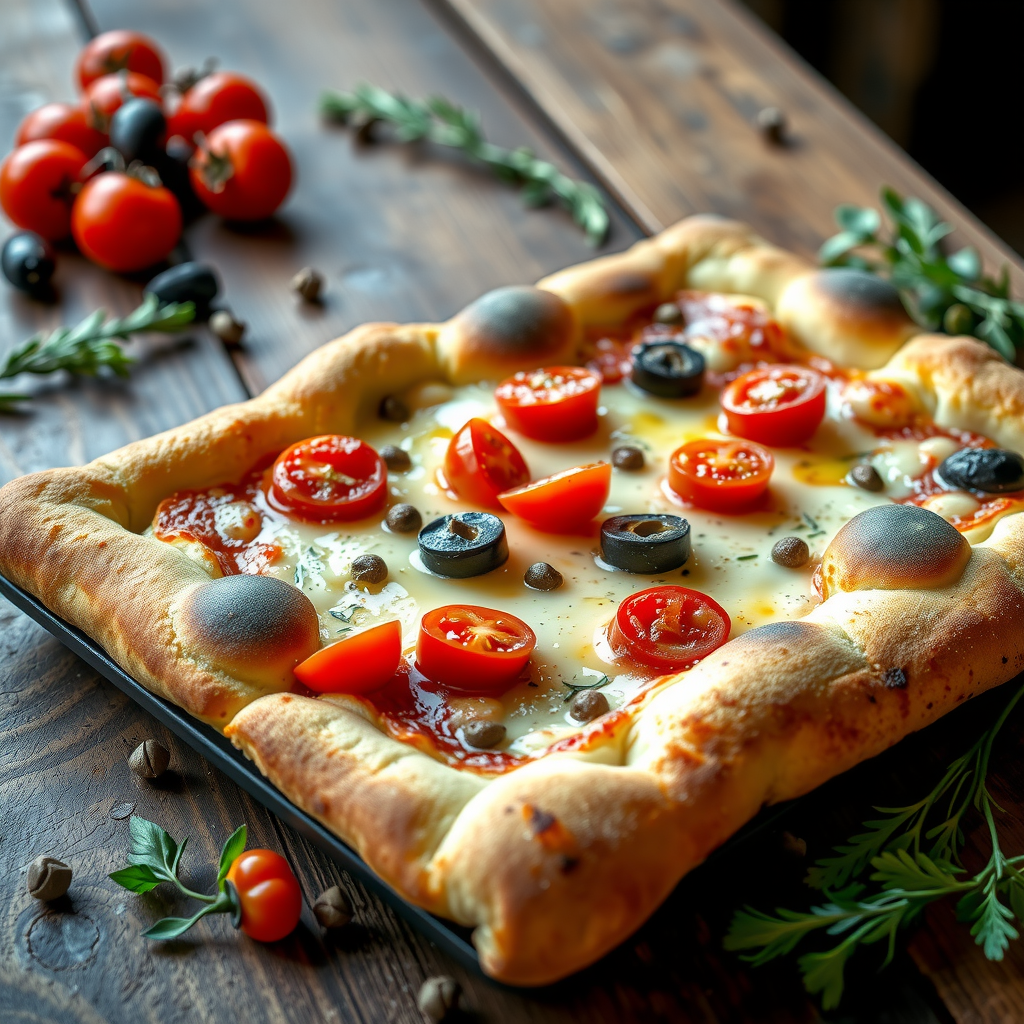
Traditional Pugliese pizza toppings reflect the region's agricultural bounty. Cherry tomatoes, often left whole or halved, are a staple, along with black olives, capers, and oregano. The pizza is typically finished with a drizzle of the region's prized olive oil and sometimes topped with fresh arugula after baking. At Salvatore menu, we've created several Pugliese-inspired pizzas that showcase these Mediterranean flavors.
The dough for Pugliese pizza undergoes a long fermentation process, similar to focaccia, which develops complex flavors and creates an open, airy crumb structure. The high olive oil content not only adds flavor but also helps create a tender texture and extends the pizza's shelf life. This makes it an excellent choice for Salvatore delivery, as it maintains its quality even after traveling to your location.
One of the most beloved variations is the "focaccia barese," which features cherry tomatoes pressed into the dough before baking, creating little pockets of concentrated tomato flavor throughout the crust. The tomatoes caramelize slightly in the oven, adding sweetness and depth. This style is often enjoyed as a snack or appetizer in Puglia, but it makes a satisfying meal when paired with a fresh salad.
Pugliese pizza represents the rustic elegance of southern Italian cooking, where simple, high-quality ingredients are allowed to shine. The generous use of olive oil might seem indulgent, but it's this richness that makes the pizza so satisfying and gives it its distinctive character. When you order a Pugliese-style pizza from Salvatore, you're tasting the essence of Mediterranean cuisine.
Ligurian Style: Focaccia di Recco
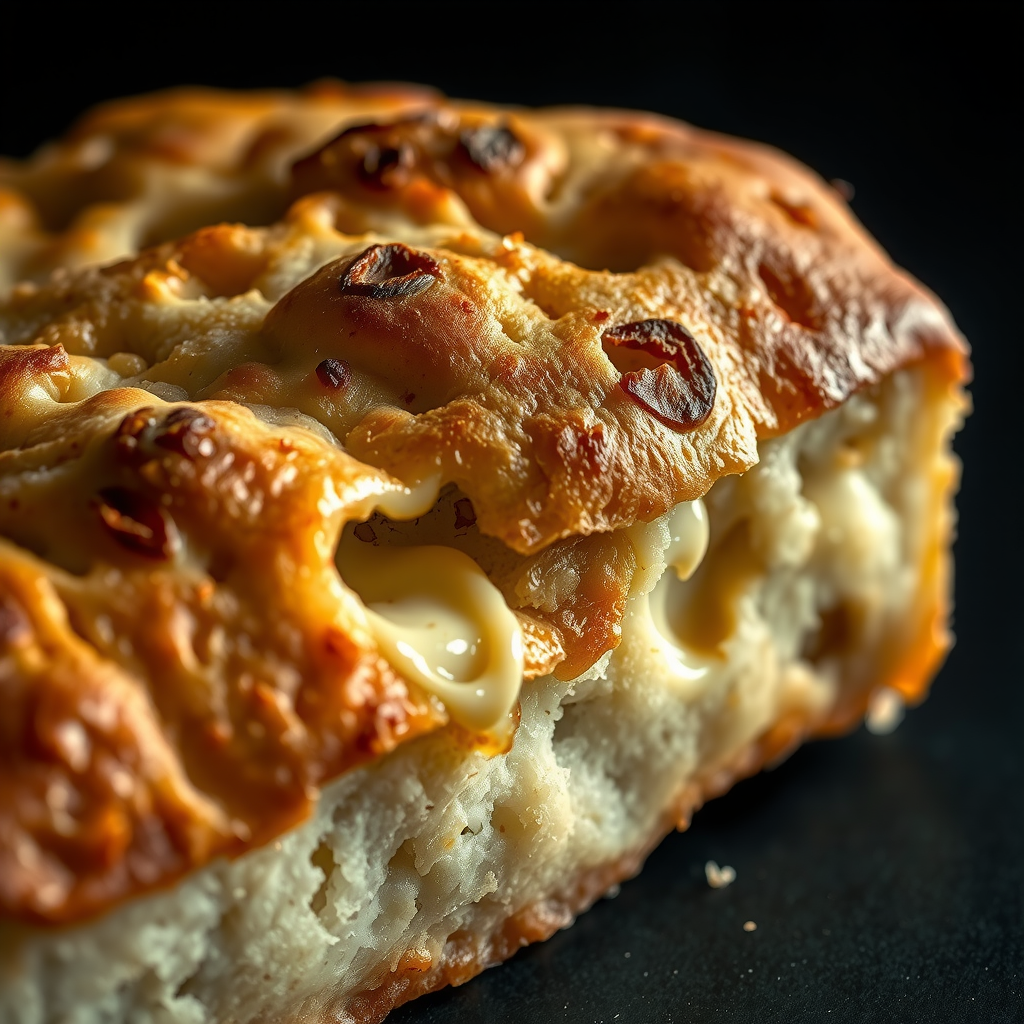
Our journey through regional Italian pizza styles concludes in Liguria, the coastal region that gave us pesto and some of Italy's most distinctive flatbreads. The Ligurian style, particularly the famous "focaccia di Recco," represents perhaps the most unique interpretation of pizza in all of Italy. This style is so different from traditional pizza that some purists debate whether it should even be called pizza at all, but its deliciousness is undeniable.
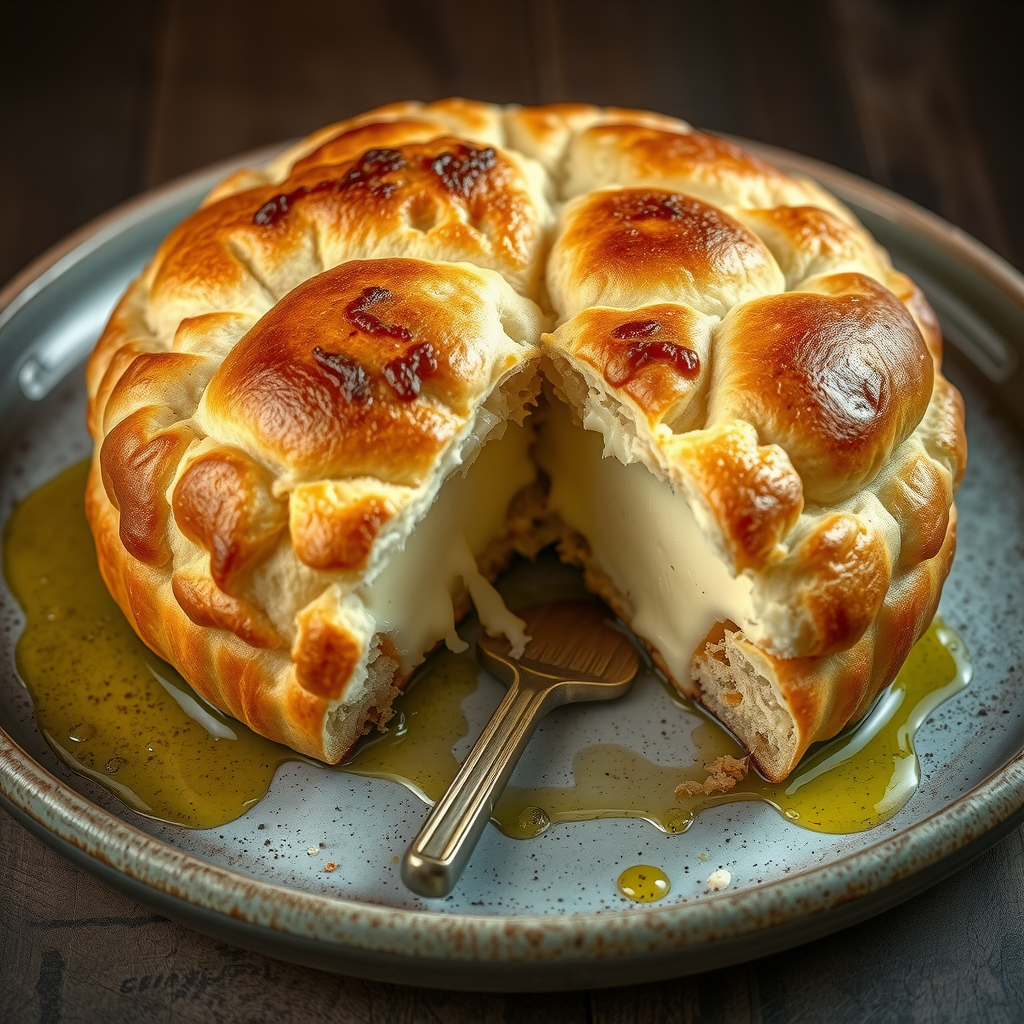
Focaccia di Recco consists of two paper-thin layers of unleavened dough with fresh, creamy stracchino cheese sandwiched between them. The dough is stretched so thin you can almost see through it, then baked at high temperature until it becomes shatteringly crisp and develops golden bubbles. The cheese melts into creamy pockets throughout, creating an incredible contrast between the crispy crust and the rich, gooey filling.
What makes this style particularly special is its simplicity. The dough contains only flour, water, olive oil, and salt—no yeast, which means no rising time is needed. This makes it one of the quickest pizza styles to prepare, though stretching the dough to the required thinness requires skill and practice. At Salvatore, our pizzaiolos have mastered this delicate technique, creating focaccia di Recco that honors the Ligurian tradition.
The traditional version uses only stracchino cheese, but modern interpretations sometimes incorporate other ingredients. We offer both the classic version and creative variations that might include fresh herbs, prosciutto, or vegetables. However, the key is always maintaining that characteristic thin, crispy crust and generous cheese filling that defines the style.
Ligurian-style pizza is best enjoyed immediately while the crust is still crispy and the cheese is hot and melted. When you order this style from Salvatore order online, we take special care in packaging to preserve as much of that crispiness as possible. It's a unique eating experience that showcases how diverse Italian pizza culture truly is, proving that there's always something new to discover in the world of Italian cuisine.
Discovering Your Perfect Pizza Style
As we've explored these five distinct regional Italian pizza styles, it becomes clear that Italian pizza culture is far more diverse and nuanced than many people realize. Each style reflects its region's history, available ingredients, and culinary traditions, creating a rich tapestry of flavors and textures that goes well beyond the familiar Margherita.
At Salvatore pizzeria, we're committed to honoring these regional traditions while making them accessible to pizza lovers across Canada. Whether you prefer the crispy crunch of Roman-style, the hearty satisfaction of Sicilian, the classic perfection of Neapolitan, the rustic elegance of Pugliese, or the unique experience of Ligurian focaccia, we have something to satisfy every palate and preference.
Understanding these different styles not only enhances your appreciation for pizza as a culinary art form but also helps you make more informed choices when ordering. Are you in the mood for something light and crispy? Try our Roman-style. Want something filling and substantial? Sicilian is your answer. Craving authentic tradition? You can't go wrong with Neapolitan. Looking for Mediterranean flavors? Pugliese is calling your name. Want to try something completely different? Give our Ligurian focaccia a chance.
The beauty of having all these styles available through Salvatore delivery is that you can explore Italy's regional pizza traditions from the comfort of your home. Each order is an opportunity to travel through Italy's diverse culinary landscape, experiencing the unique characteristics that make each region's pizza special. We encourage you to try them all and discover your personal favorites.
Remember, there's no "best" pizza style—only the style that's best for you in any given moment. Your preference might change based on your mood, the occasion, or who you're sharing with. That's the joy of having such diversity available. Pizza is meant to be enjoyed, explored, and celebrated in all its regional variations.
Next time you're browsing the Salvatore menu, take a moment to consider which regional style speaks to you. Think about the texture you're craving, the toppings that appeal to you, and the eating experience you want to have. With this knowledge of regional Italian pizza styles, you're now equipped to make choices that will truly satisfy your pizza desires. Buon appetito!