Published on October 15, 2024
The Art of Perfect Pizza Dough: Our 72-Hour Journey from Flour to Perfection
Discover the traditional techniques and premium ingredients we use to create our signature pizza dough, from the 72-hour fermentation process to the perfect balance of Italian flour and Canadian spring water.
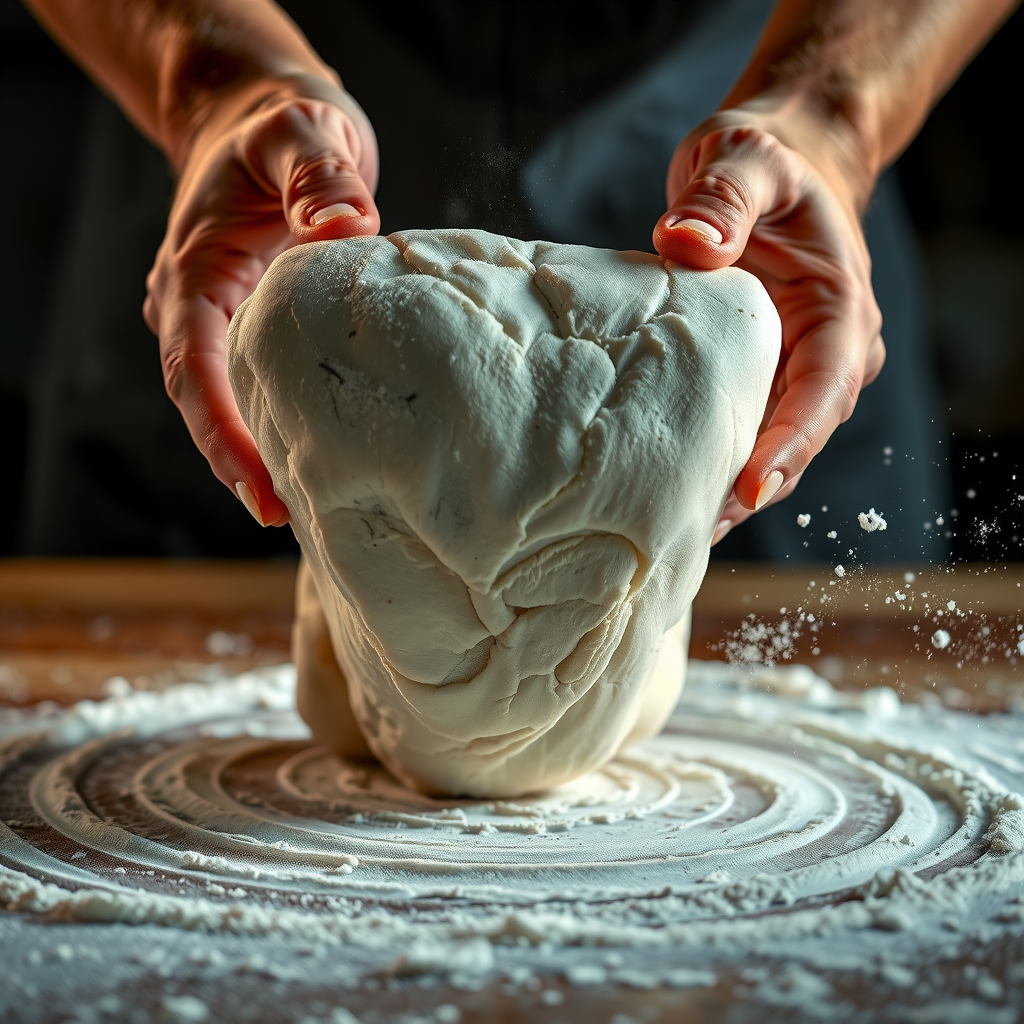
At Salvatore, we believe that exceptional pizza begins long before the first topping touches the dough. Our commitment to authenticity and quality starts with a process that has been refined over generations, combining time-honored Italian traditions with the finest Canadian ingredients. The foundation of every pizza we create is our signature dough, a masterpiece that requires patience, precision, and passion.
What sets our dough apart is not just the ingredients we use, but the time we invest in its development. While many pizzerias rush their dough production to meet demand, we take a different approach. Our 72-hour cold fermentation process is the secret behind the complex flavors, perfect texture, and exceptional digestibility that our customers have come to love and expect from every Salvatore pizza.
In this article, we'll take you behind the scenes of our kitchen to reveal the meticulous process, premium ingredients, and traditional techniques that transform simple flour and water into the foundation of pizza perfection. Whether you're a pizza enthusiast, a home baker, or simply curious about what makes Salvatore pizzas special, join us on this journey through the art and science of dough making.
The Foundation: Selecting Premium Ingredients
The journey to perfect pizza dough begins with ingredient selection. At Salvatore, we source only the finest components, understanding that quality inputs directly translate to superior results. Our primary ingredient is authentic Italian "00" flour, imported directly from mills in Naples. This finely ground flour, with its specific protein content of 12-13%, provides the ideal balance of strength and extensibility needed for traditional Neapolitan-style pizza.
The "00" designation refers to the flour's texture, ground to an almost powder-like consistency that creates a silky-smooth dough. This ultra-fine milling allows for better hydration and gluten development, resulting in a dough that's both easy to work with and produces a crust with the perfect combination of crispy exterior and tender, airy interior. We've tested countless flour varieties over the years, and this particular Italian flour consistently delivers the authentic taste and texture that defines true Neapolitan pizza.
Equally important is our water source. We use pure Canadian spring water, filtered to remove any impurities while retaining beneficial minerals that enhance fermentation. The mineral content of water significantly affects yeast activity and gluten development. Our water's balanced pH and mineral composition create the optimal environment for the slow fermentation process that defines our dough. We've found that this particular water source, combined with our Italian flour, produces a flavor profile that's both authentic to Italian tradition and uniquely Canadian in character.
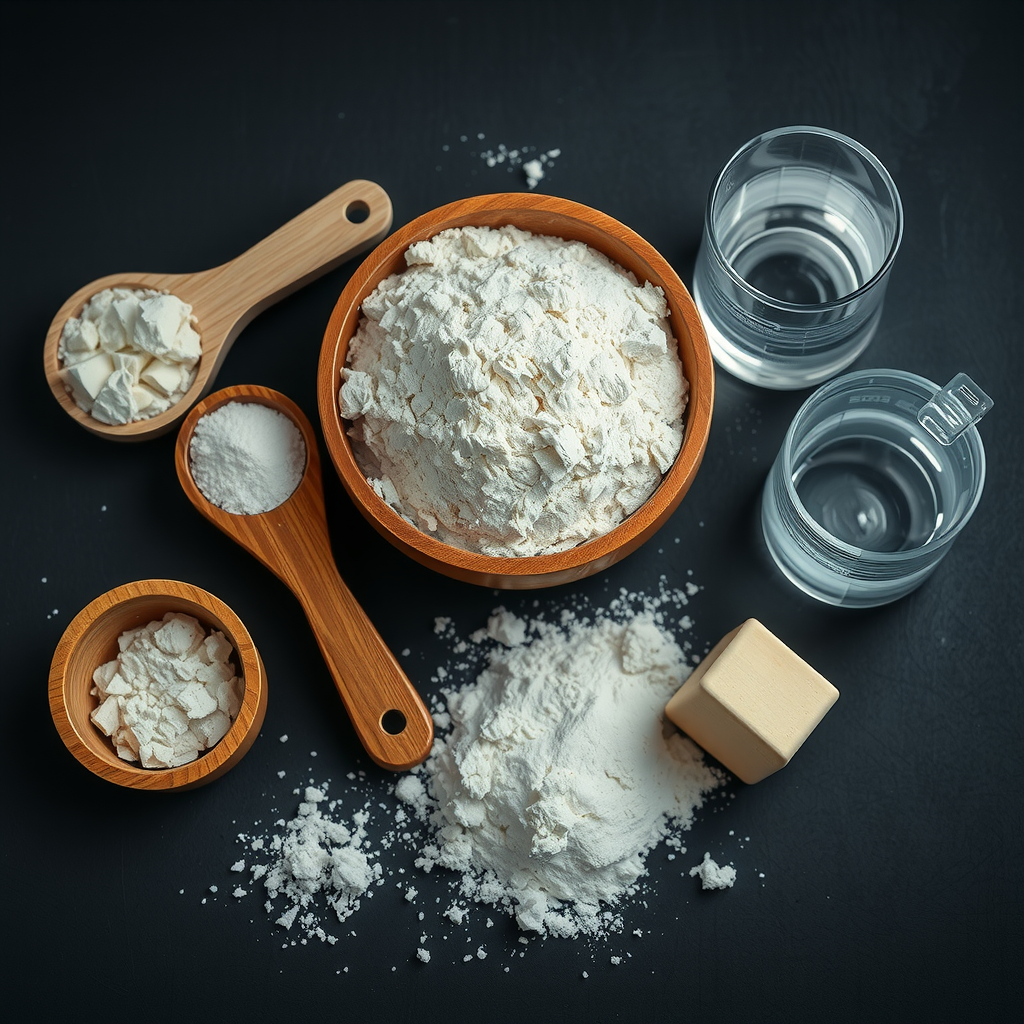
Premium Italian "00" flour and pure Canadian spring water form the foundation of our signature dough
Our yeast selection is equally deliberate. We use fresh compressed yeast rather than dried varieties, as it provides more consistent and vigorous fermentation. The amount we use is minimal – just 0.1% of the flour weight – which might seem counterintuitive but is essential for our extended fermentation process. This small quantity of yeast works slowly over 72 hours, developing complex flavors and creating a more digestible final product. The slow fermentation allows enzymes to break down complex carbohydrates, making the pizza easier on the digestive system while developing the characteristic tangy notes that distinguish artisan pizza from mass-produced alternatives.
Salt is another critical component that many overlook. We use fine sea salt at precisely 2.5% of the flour weight. This percentage has been carefully calibrated through years of testing to enhance flavor without inhibiting yeast activity. The salt not only seasons the dough but also strengthens the gluten network, contributing to the dough's structure and chewiness. We add the salt after the initial mixing phase, allowing the flour to fully hydrate before introducing this ingredient that can slow gluten development if added too early.
The 72-Hour Fermentation: Where Time Creates Magic
The heart of our dough-making process is the 72-hour cold fermentation period. This extended timeline is not arbitrary – it's the result of extensive experimentation and represents the sweet spot where flavor development, texture optimization, and digestibility converge. During this three-day journey, the dough undergoes a remarkable transformation that simply cannot be rushed.
The process begins with mixing. We combine our ingredients in a spiral mixer, using a specific sequence and timing that ensures optimal gluten development without overworking the dough. The initial mix lasts just 8 minutes at low speed, followed by 4 minutes at medium speed. This creates a smooth, elastic dough with a temperature of exactly 24°C (75°F) – a crucial detail that affects the entire fermentation timeline. If the dough is too warm, fermentation will proceed too quickly; too cold, and the yeast won't activate properly.
After mixing, the dough rests at room temperature for exactly 2 hours. This initial bulk fermentation allows the yeast to begin its work and the gluten network to relax. During this phase, we can observe the dough beginning to rise and develop its characteristic smooth, slightly domed surface. This room temperature period is essential for jump-starting the fermentation process before we slow everything down with refrigeration.
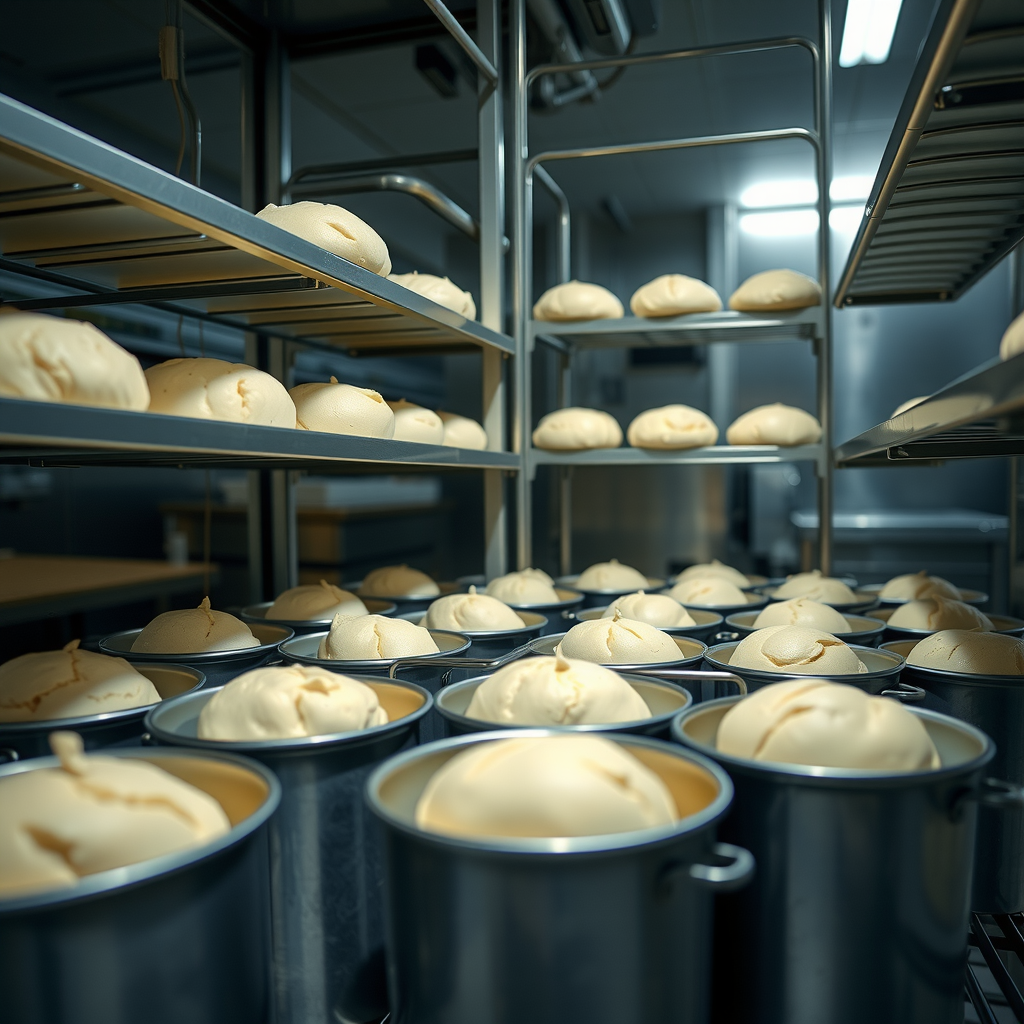
Our temperature-controlled fermentation room where dough undergoes its 72-hour transformation
Following the initial rise, we divide the dough into individual portions, each weighing precisely 280 grams – the perfect amount for our signature 12-inch pizzas. These portions are shaped into tight balls using a specific technique that creates surface tension, essential for the dough's final structure. Each ball is then placed in its own lightly oiled container and transferred to our temperature-controlled fermentation room, maintained at exactly 4°C (39°F).
The cold fermentation that follows is where the real magic happens. At this low temperature, yeast activity slows dramatically but doesn't stop entirely. Over the next 70 hours, the yeast continues to consume sugars and produce carbon dioxide, but at a pace that allows for maximum flavor development. The cold temperature also allows enzymes naturally present in the flour to break down complex starches into simpler sugars, creating the subtle sweetness and complex flavor notes that characterize our dough.
During this extended cold fermentation, several important changes occur. The gluten network continues to develop and strengthen, even without mechanical manipulation. The dough becomes more extensible, making it easier to stretch without tearing. Organic acids develop, contributing to the characteristic tangy flavor and improving the dough's keeping qualities. The slow fermentation also breaks down phytic acid, a compound that can inhibit mineral absorption, making the final pizza more nutritious and easier to digest.
By the end of the 72-hour period, the dough has nearly doubled in volume and developed a complex aroma that hints at the flavors to come. The texture has transformed from dense and tight to light and airy, with a silky-smooth surface that's a pleasure to work with. This is the moment when our dough reaches its peak – perfectly balanced between flavor development and structural integrity, ready to be transformed into pizza.
The Science Behind Perfect Dough
Understanding the science behind our dough-making process helps explain why we're so particular about every detail. At its core, pizza dough is a complex biological and chemical system where multiple processes occur simultaneously. The primary players in this system are gluten proteins, yeast organisms, enzymes, and the various compounds they produce during fermentation.
Gluten development is fundamental to dough structure. When flour meets water, two proteins – glutenin and gliadin – combine to form gluten. This protein network gives dough its elasticity and strength, allowing it to trap the carbon dioxide produced by yeast and expand into a light, airy structure. Our mixing process and extended fermentation time allow for optimal gluten development. The mechanical action of mixing initiates gluten formation, while the long fermentation period allows the gluten network to strengthen and organize naturally.
The yeast's role extends far beyond simply making the dough rise. As yeast cells consume sugars, they produce not only carbon dioxide but also ethanol and various organic compounds that contribute to flavor. During cold fermentation, this process occurs slowly, allowing for the production of more complex flavor compounds. The low temperature also favors the production of certain organic acids that give the dough its characteristic tang and improve its digestibility.
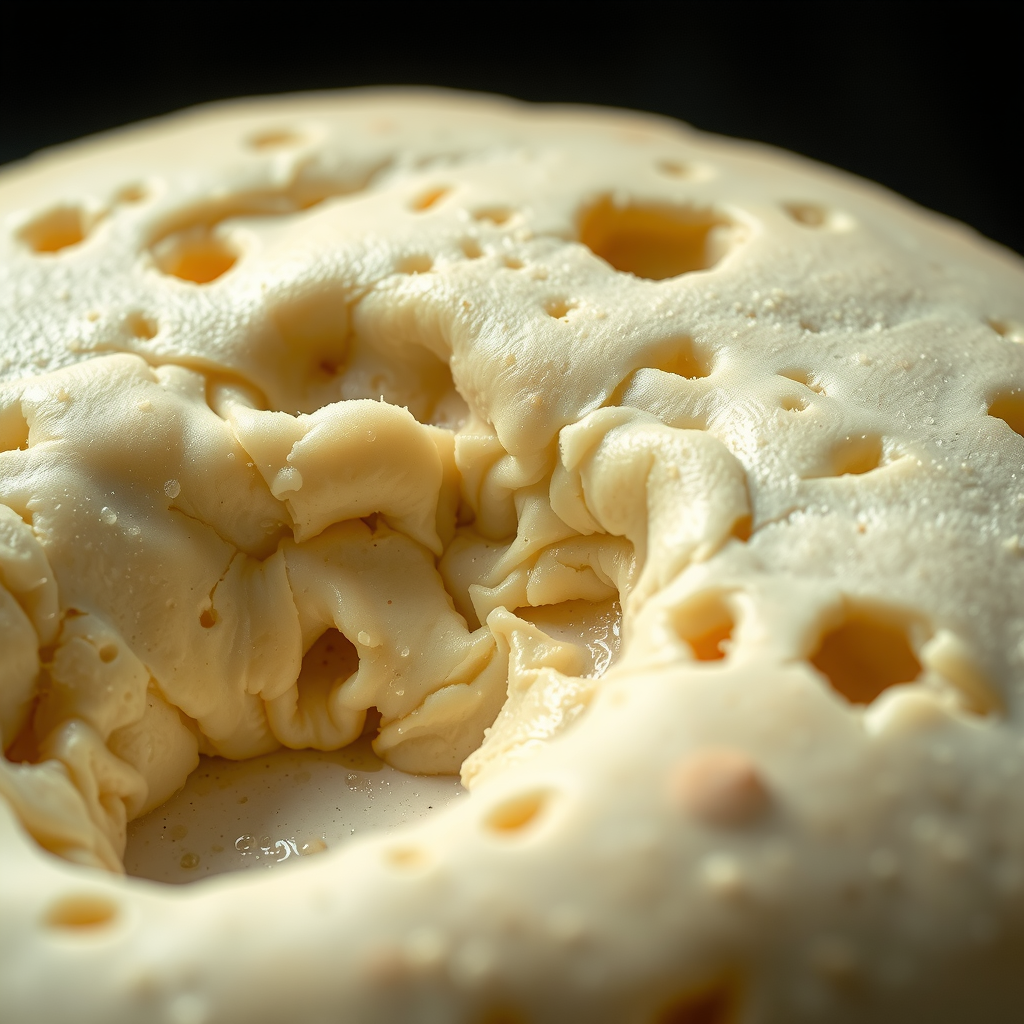
The complex gluten network and air structure developed through our 72-hour fermentation process
Enzymatic activity is another crucial factor. Flour naturally contains enzymes called amylases that break down complex starches into simpler sugars. This process, called starch degradation, occurs throughout fermentation but is particularly active during the initial room temperature phase. The sugars produced feed the yeast and contribute to the dough's flavor and browning characteristics. Our specific fermentation protocol maximizes this enzymatic activity while maintaining the dough's structural integrity.
Temperature control is perhaps the most critical scientific factor in our process. Every stage of fermentation is temperature-dependent, and even small variations can significantly impact the final product. Our precise temperature management – from the initial dough temperature of 24°C to the fermentation room's constant 4°C – ensures consistency and optimal flavor development. This temperature precision is one reason why our dough tastes the same excellent way every single time.
The hydration level of our dough – the ratio of water to flour – is another scientifically calibrated parameter. We maintain a hydration level of 65%, which provides the ideal balance between workability and final texture. Higher hydration would create a more open crumb structure but would be difficult to handle; lower hydration would produce a denser, less flavorful crust. This specific hydration level, combined with our flour choice and fermentation protocol, produces the signature Salvatore crust texture that our customers love.
Traditional Techniques Meet Modern Precision
While our process is grounded in centuries-old Italian tradition, we've enhanced it with modern precision and quality control measures. This marriage of old and new ensures that we honor the authentic methods that make great pizza while maintaining the consistency and food safety standards expected in contemporary food service.
Our dough-making team undergoes extensive training in traditional hand-shaping techniques. The art of properly balling dough – creating the right surface tension without overworking the gluten – is a skill that takes months to master. Each pizza maker learns to feel the dough, understanding its readiness by touch and appearance rather than relying solely on timers and measurements. This tactile knowledge, passed down through generations of Italian pizza makers, is irreplaceable and forms the foundation of our craft.
At the same time, we employ modern technology to ensure consistency. Digital thermometers monitor temperatures at every stage. Precision scales ensure exact ingredient measurements. Our fermentation room uses computerized climate control to maintain perfect conditions 24/7. We keep detailed logs of every batch, tracking variables and outcomes to continuously refine our process. This data-driven approach allows us to maintain the high standards our customers expect while respecting the traditional methods that make our pizza special.
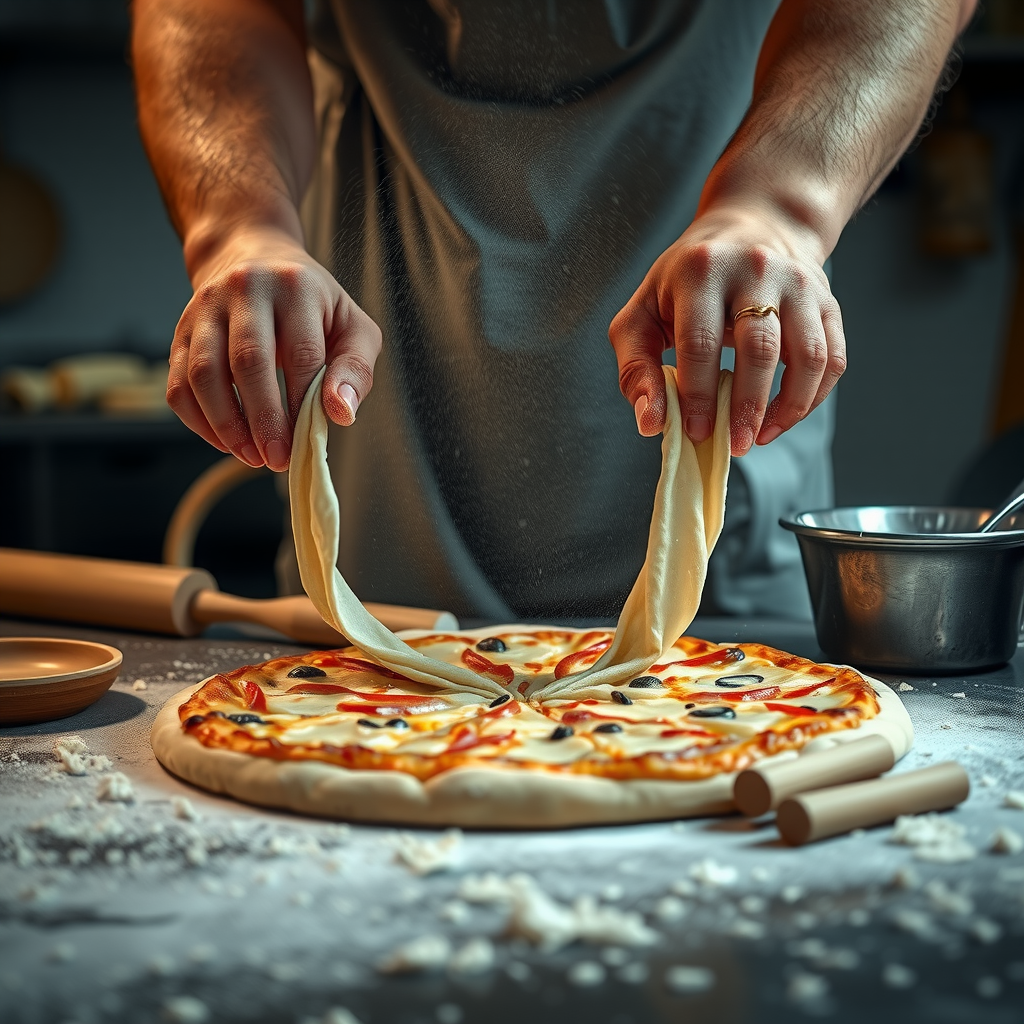
Traditional hand-stretching techniques passed down through generations of Italian pizza makers
The stretching technique we use is purely traditional – no rolling pins, no mechanical presses. Each dough ball is gently pressed from the center outward, preserving the air bubbles that have developed during fermentation. The outer edge, which will become the crust, is left slightly thicker to create the characteristic cornicione – the puffy, charred rim that's a hallmark of authentic Neapolitan pizza. This hand-stretching method requires skill and practice but produces results that no machine can replicate.
Quality control is integrated into every step of our process. Before any dough is used, it's visually inspected and tested for proper fermentation. We look for specific characteristics: a smooth, slightly domed surface; a pleasant, yeasty aroma with subtle tangy notes; and the right degree of elasticity when gently stretched. Dough that doesn't meet our standards is never used, ensuring that every pizza that leaves our kitchen represents our commitment to excellence.
The Final Result: Why 72 Hours Makes All the Difference
After 72 hours of careful fermentation and preparation, our dough is ready to become pizza. But what exactly has this extended process achieved? The differences between our slow-fermented dough and quickly made alternatives are profound and immediately noticeable to anyone who tastes our pizza.
First and most obviously, there's the flavor. Our dough has a complex, nuanced taste that goes far beyond simple bread. There are subtle notes of nuttiness from the flour, a gentle tang from the fermentation, and a hint of sweetness from the broken-down starches. This flavor profile provides the perfect foundation for our toppings, complementing rather than competing with them. Many customers tell us they could eat our crust plain – and some do, saving the outer rim as a final treat.
The texture is equally distinctive. When baked in our high-temperature ovens, our dough develops a crust that's crispy on the outside yet tender and slightly chewy inside. The extended fermentation creates an open, airy crumb structure with irregular holes – the sign of proper fermentation and gentle handling. The cornicione puffs up beautifully, developing those characteristic leopard spots of char that indicate perfect baking. Each bite offers a satisfying contrast of textures that makes eating our pizza a truly sensory experience.
Perhaps most importantly, our dough is highly digestible. The long fermentation breaks down complex carbohydrates and proteins that can be difficult for some people to digest. Many customers who typically experience discomfort after eating pizza report no such issues with our pizzas. This digestibility is a direct result of the time we invest in fermentation – time that allows natural enzymes to do their work, pre-digesting the dough in a way that our bodies appreciate.
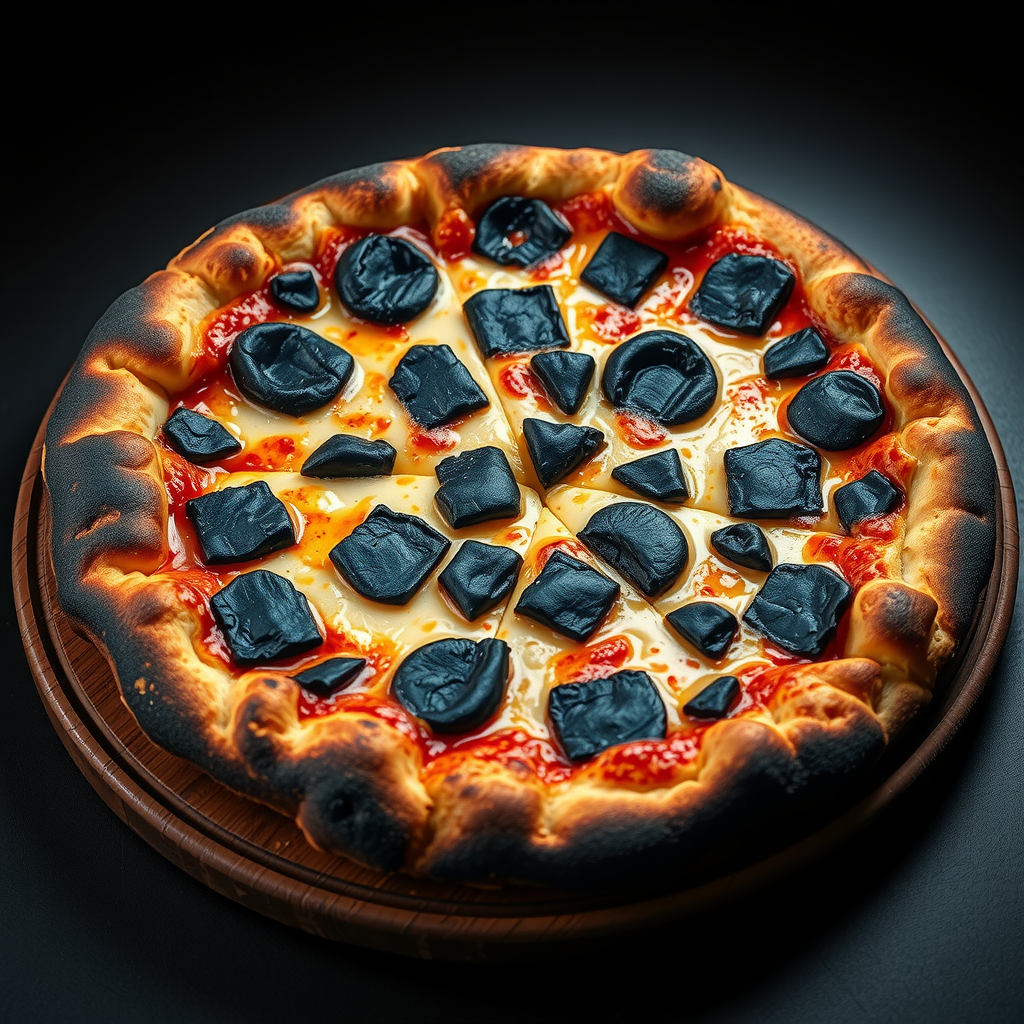
The final result: perfectly charred crust with ideal texture and flavor, the culmination of 72 hours of careful preparation
The structural integrity of our dough is another key benefit. Because the gluten network has had time to develop fully and naturally, our dough is strong enough to support generous toppings without becoming soggy or collapsing. Yet it remains extensible enough to stretch easily without tearing, allowing our pizza makers to create perfectly round, evenly thin bases. This balance of strength and flexibility is difficult to achieve with shorter fermentation times.
The browning characteristics of our dough are also superior. The sugars developed during fermentation caramelize beautifully in the oven, creating that golden-brown color and slightly sweet, toasted flavor that makes pizza crust so appealing. The Maillard reaction – the chemical process that creates browning and complex flavors – occurs more effectively with our properly fermented dough, resulting in deeper, more satisfying flavors.
Our Commitment to Excellence
At Salvatore, our 72-hour dough fermentation process represents more than just a technique – it's a philosophy. In an age of instant gratification and shortcuts, we've chosen to invest time, care, and attention into creating something truly exceptional. We believe that great pizza cannot be rushed, and that the best results come from respecting traditional methods while embracing modern precision.
Every pizza that leaves our kitchen carries with it the culmination of 72 hours of fermentation, years of technique refinement, and generations of Italian pizza-making tradition. From the moment we mix our premium Italian flour with pure Canadian spring water to the final stretch before baking, every step is performed with care and precision. This dedication to quality is what sets Salvatore apart and what keeps our customers coming back.
We invite you to taste the difference that time and tradition make. When you bite into a Salvatore pizza, you're experiencing the result of our unwavering commitment to excellence – a commitment that begins with our signature dough and extends to every aspect of our pizza-making process. It's this attention to detail, this respect for tradition, and this dedication to quality that makes Salvatore pizzas truly special.
The next time you enjoy one of our pizzas, take a moment to appreciate the crust. Notice its complex flavor, its perfect texture, its beautiful appearance. Remember that what you're tasting is the result of 72 hours of careful fermentation, premium ingredients, and traditional techniques. That's the Salvatore difference – and it's a difference you can taste in every bite.
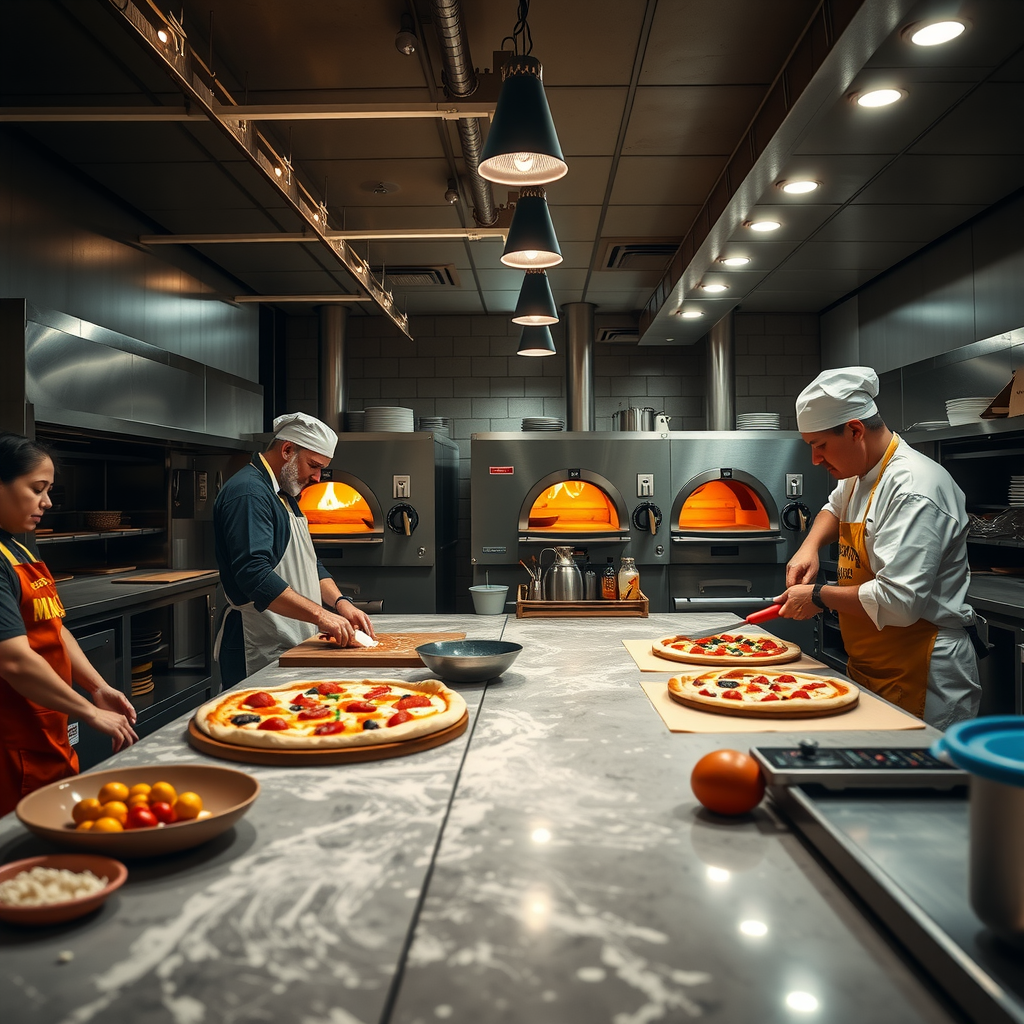
The Salvatore kitchen: where tradition, technique, and passion come together to create exceptional pizza